 Immunity
 Digestion
 Sleep & Mood
 Mental Clarity
 Joints & Mobility
 Women
Women Men
Men




Section
- SHOP

- LEARN
- ABOUT US
- SUSTAINABILITY






Join our network for mutual growth
Back

Every year, many of us hear the phrase “cold and flu season.” While the shift from warm weather to crisp fall days and chilly winter nights is well known, Ayurveda offers a deeper perspective on why some people feel more run‑down during this time of year. According to this traditional system of wellness, seasonal imbalance isn’t just about temperature — it’s also about the harmony between mind, body, and environment. This is where the Ayurvedic use of ashwagandha and cold season support often comes into the conversation.
Seasonal Shifts and Dosha Balance
As late summer’s warmth gives way to the breezy, drying qualities of fall and then the heavier chill of winter, Ayurveda associates each phase with different doshas:
- Late summer/early fall: Pitta begins to give way
- Fall: Vata season, marked by lightness, movement, and variability
- Winter: Kapha season, with heavier, colder qualities
From an Ayurvedic lens, staying well during the cold season involves keeping these doshas in balance. Vata relates to adaptability and the body’s overall resilience, while Kapha is associated with the lungs, sinuses, and general groundedness. When these doshas fall out of harmony, the body may feel more taxed by seasonal changes.

The Role of the Mind During Cold Season
Ayurveda has long acknowledged the link between emotional wellbeing and physical wellbeing. Stress — whether mental, emotional, or physical — is thought to create imbalance, a concept described in Ayurvedic texts as prajnaparadha, or “a mistake of the intellect.”
Modern perspectives echo this connection, noting that stress can influence how the body responds to everyday challenges. Because the colder months often bring busy schedules, less sunlight, and more internal pressure, many people look for grounding practices and herbs traditionally used to support balance. This is one of the reasons ashwagandha is a popular choice within Ayurveda during the cold season.
Ashwagandha and Cold Season Balance
Ashwagandha has been used in Ayurveda for thousands of years as a general wellness herb, especially during times of change or increased demands. Traditionally regarded as a Rasayana — a category of herbs used to promote vitality and support the body’s natural ability to adapt — ashwagandha is often turned to when colder seasons arrive.
Today, many people appreciate ashwagandha for how it may support:
- A balanced stress response
- A sense of calm and groundedness
- Overall wellbeing during times of transition
While modern research uses terms like “adaptogen” to describe herbs that help the body maintain equilibrium during stress, Ayurveda has long emphasized ashwagandha’s role in supporting balance holistically.
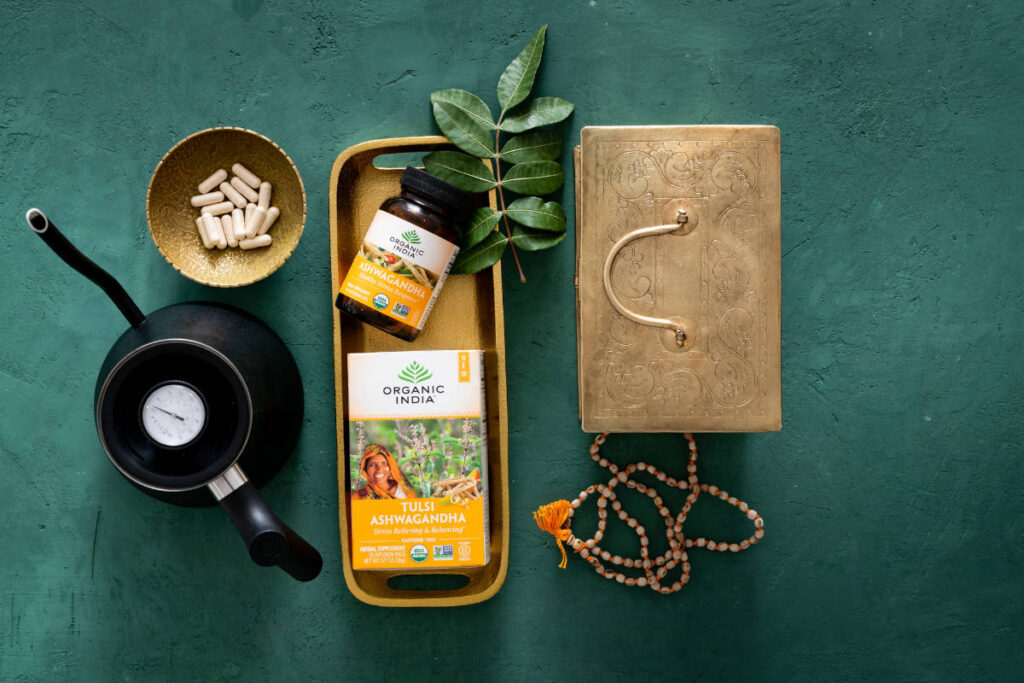
Organic Ashwagandha Support for Seasonal Shifts
Each season brings its own rhythm — from the bright intensity of summer to the breezy unpredictability of fall and the stillness of winter, then into spring’s renewed movement. These transitions can sometimes feel a bit taxing on mind and body. In Ayurveda, ashwagandha is traditionally used as a grounding herb to help the body adapt through periods of change, making it a supportive choice whenever the seasons shift.
To meet you wherever you are in the year, ORGANIC INDIA offers several organic ashwagandha formats so you can choose the one that fits your daily rituals:
- Organic Ashwagandha Root Capsules. A simple, traditional way to incorporate whole‑herb ashwagandha. Ideal for those who prefer a steady, consistent routine rooted in classic Ayurvedic practice.
- Organic Ashwagandha Gummies. Bright and easy to enjoy, these vegan lemon-lime gummies offer a convenient option for moments when life feels especially full. Featuring clinically studied KSM‑66® Ashwagandha extract, they’re a refreshing way to support balance throughout the year.
- Tulsi Ashwagandha Tea. A warm, comforting blend that pairs organic ashwagandha with our signature Tulsi (Holy Basil). Perfect for grounding rituals during any seasonal transition — from calming summer evenings to centering fall mornings.
- Organic Ashwagandha Bulk Powder. A flexible choice for adding ashwagandha to your favorite drinks or recipes. Mix it into a warm latte in winter, a smoothie in summer, or anything that feels nourishing during shifting seasons.

A Season of Transition
The cold season can be a time of reflection, rest, and renewal. Ayurveda teaches that when the mind is steady and the doshas are supported through nourishing routines, herbs, warm foods, and grounding practices, the body is better able to stay in harmony with its environment.
Whether you sip, chew, scoop, or take a simple capsule, each organic ashwagandha option offers an easy way to bring a sense of steadiness to your day — no matter what the weather or calendar is doing. Choose the format that supports your rhythm and helps you move through the seasons feeling a little more centered and at ease.
Exploring the traditional connection between ashwagandha and cold season wellness can offer a gentle, holistic way to approach this time of year — especially if you’re looking to maintain steadiness through shifting weather and busier schedules.
The cold and flu season comes on the heels of a transition from the hot and sunny days of summer, which is Pitta in nature, into the breezy Vata dosha of fall, and then into the cold Kapha season of winter. According to Ayurveda, writes Jeff Perlman of LA Yoga, the Vata dosha is responsible for regulating the immune system, and Kapha dosha has to do with the respiratory and nasal systems. Avoiding colds has to do with keeping the mind and body in harmony with the environment and balancing the doshas.