 Immunity
 Digestion
 Sleep & Mood
 Mental Clarity
 Joints & Mobility
 Women
Women Men
Men




Section
- SHOP

- LEARN
- ABOUT US
- SUSTAINABILITY







Join our network for mutual growth
Back
Prebiotics vs. Probiotics: What’s the Difference and Why It Matters
12/26/2025 |
Live Vibrantly, Psyllium preprobiotic
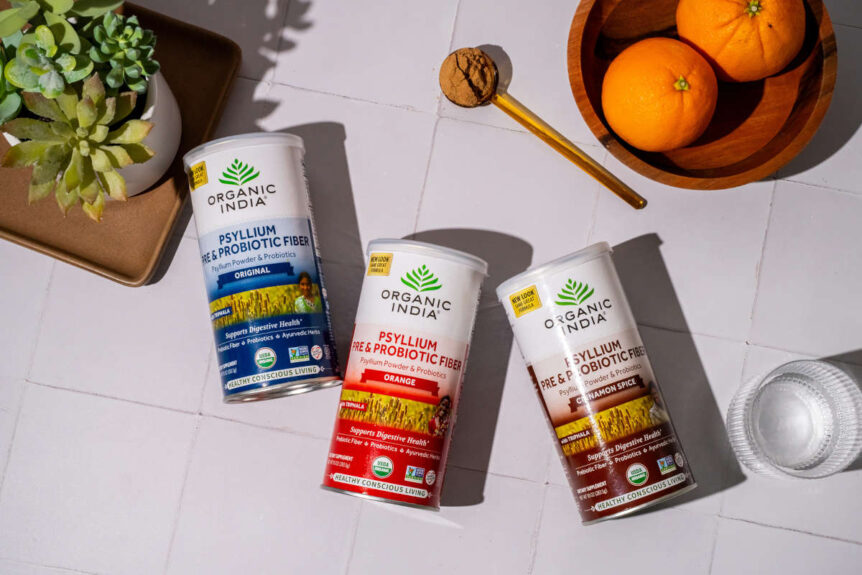
For the last few years, we’ve been hearing a lot about probiotics, what started as the “latest” health trend has proven to have staying power as more and more research confirms the body’s need for “good” bacteria.
But other words have appeared alongside “probiotic,” such as “microbiome,” “gut health,” and “prebiotic.” We’re learning that it’s about more than good bacteria or probiotics. Our bodies are host to a complex micro‑environment that supports probiotic colonies, and just like plants in a garden, these friendly bacteria need optimal conditions to thrive. All these words relate to the fact that we have complex micro‑environments in our GI tract that can determine our state of health. Understanding the difference between prebiotics vs probiotics is important to make sure you’re encouraging positive digestive health.
What’s the Difference Between Prebiotics and Probiotics?
While prebiotics and probiotics are not the same thing, they work together to support gut and digestive health. They can be found in supplement form or naturally in many of the foods you eat every day.
What Is a Probiotic?
Probiotics are living strains of good bacteria that promote gut health. The word “probiotic” is a combination of “pro,” meaning “for,” or to “promote,” and “biotic,” from “bio,” meaning “life.” These probiotic microorganisms and yeasts naturally keep the gut healthy and support digestion.
What Is a Prebiotic?
Prebiotics are dietary fiber molecules that nourish the healthy probiotic bacteria within the microbiome. More specifically, prebiotics are plant‑sourced soluble fibers that are used as food by the resident colonies of the microbiome. Prebiotics help soothe the gastrointestinal tract.
How Prebiotics and Probiotics Support Gut Health
Probiotics and prebiotics both contribute to a thriving, balanced digestive system by supporting the beneficial bacteria that influence digestion, immunity, and overall gut function.
How Do Probiotics and Prebiotics Work Together?
Probiotics and prebiotics work powerfully together to support digestion, gut health, heart health, and immunity. Prebiotics provide a healthy environment for probiotic microorganisms to live and flourish. With prebiotics, probiotics have a greater ability to survive while encouraging the growth of existing healthy bacteria. Prebiotics and probiotics, when taken together, are referred to as synbiotics. Synbiotics balance the good and bad bacteria in the gut while modulating healthy digestive and immune function.
Should I Take Probiotics and Prebiotics Together?
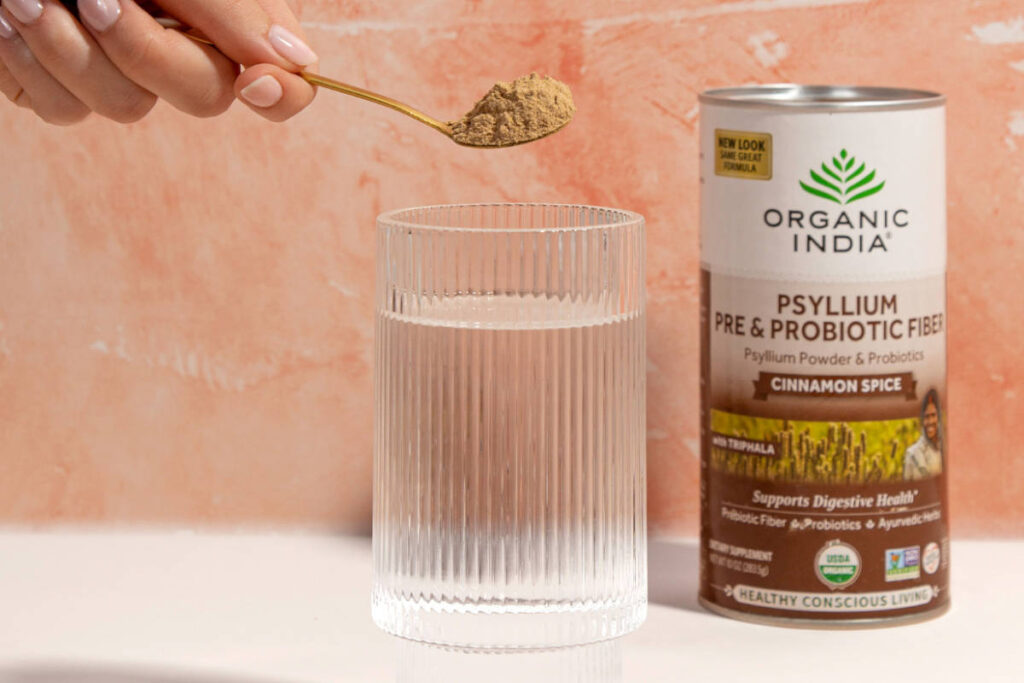
While you don’t need probiotics for prebiotics to work and vice versa, when taken together they provide more complete and robust gut health support, which is linked to healthy digestion, immunity, heart health, and even mood. When wondering whether to take prebiotics vs probiotics, the answer is that both is best.
When Should You Take Prebiotics and Probiotics?
Timing can support their effectiveness, whether they are taken together or separately as part of a daily digestive routine.
Types of Probiotics
There are hundreds of strains and types of probiotics. One large category, bifidobacterium, helps digest fiber and carbohydrates. Bifidobacteria have been linked to reducing the risk of heart disease because of this fiber‑digesting characteristic. Another large group of probiotics is lactobacillus, a class of bacteria that helps break down milk sugars. There are dozens of sub‑strains of these groups, each with unique characteristics and functions.
Foods That Contain Probiotics
Foods that contain probiotics include yogurt, kefir, sauerkraut, tempeh, kimchi, kombucha, miso soup, soft cheeses, pickles, and sourdough bread.
Types of Prebiotics
There are two types of prebiotics, fructo‑oligosaccharides (FOS) and galacto‑oligosaccharides (GOS). The most common prebiotic in the food industry is inulin, an FOS prebiotic that can be found in 36,000 other plant species. Because of its resistance to digestive enzymes, inulin travels intact all the way through the GI tract until it reaches the colon. There it is broken down as a food source for the microbiome. This process, a type of fermentation, can also cause discomfort and pressure from the gas created as a byproduct.
Foods That Contain Prebiotics
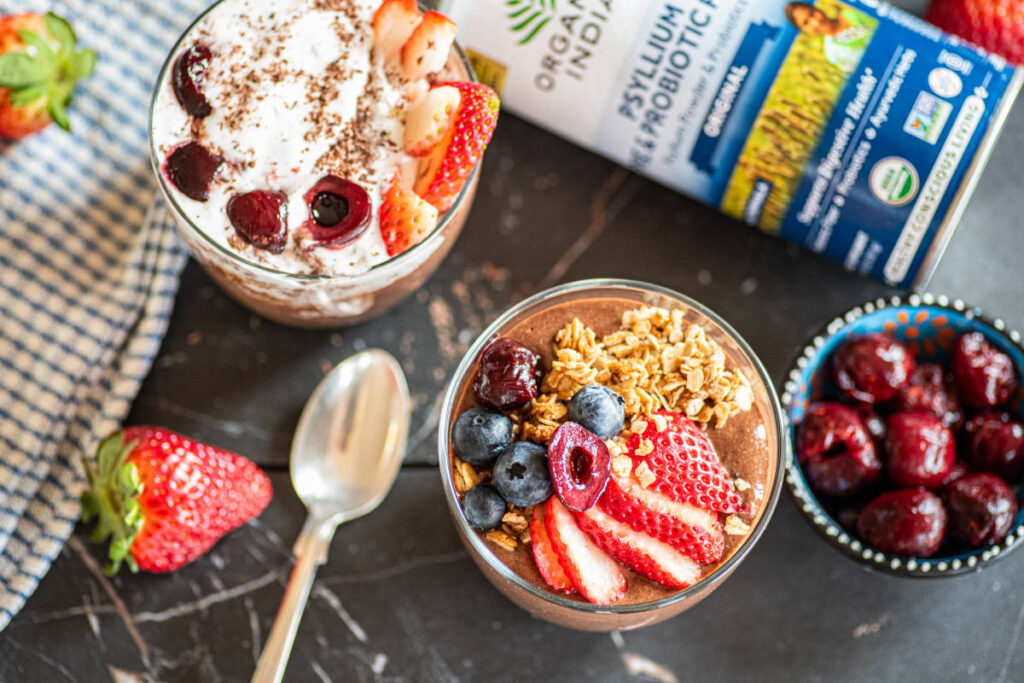
While there are prebiotic supplements, including prebiotic‑rich foods in your diet is an excellent and enjoyable way to feed the gut microbiome. Foods that contain prebiotics include chicory root, dandelion greens, jicama, asparagus, onions, garlic, leeks, chickpeas, lentils, psyllium, lima beans, and green peas.
Are Prebiotics or Probiotics Hard on the Stomach?
Fermentable fibers such as inulin may cause temporary digestive discomfort or gas in some individuals as they feed the microbiome.
Prebiotics vs Probiotics vs Synbiotics
Synbiotics refer to the combined use of prebiotics and probiotics working together for enhanced digestive and immune support.
FAQ: Prebiotics vs Probiotics
What is the difference between prebiotics and probiotics?
Probiotics are living beneficial bacteria that support gut and digestive health. Prebiotics are non‑digestible plant fibers that act as food for those bacteria. Probiotics add to the gut microbiome, while prebiotics help nourish and support the healthy bacteria already living there.
Can you take prebiotics without probiotics?
Yes. Prebiotics help feed the existing beneficial bacteria in your gut, so they can be taken on their own. Many people naturally consume probiotics through foods like yogurt, kefir, or fermented vegetables, so prebiotics can help support that balance even without a probiotic supplement.
Can you take probiotics without prebiotics?
Yes. Probiotics can be taken alone, and many foods contain naturally occurring probiotic cultures. However, adding prebiotics may help create a more supportive environment for those beneficial bacteria.
Is it better to take prebiotics or probiotics first?
There is no required order. They can be taken separately or together based on what works best for your routine. Some people prefer taking them at different times to support comfort, while others take them together as part of a daily digestive wellness plan.
Do prebiotics improve digestion?
Prebiotics help nourish the good bacteria in the gut, which can support overall digestive wellness. Because they are fermentable fibers, they may also help encourage healthy microbial activity in the colon.
What are synbiotics?
Synbiotics are the combination of prebiotics and probiotics. Together, they support a balanced gut environment by providing both beneficial bacteria and the nourishment those bacteria need.
Can prebiotics or probiotics cause discomfort?
Some people experience temporary gas or bloating when introducing fermentable fibers such as inulin, since they feed the bacteria in the colon. This is usually temporary as the body adjusts.
Bottom Line
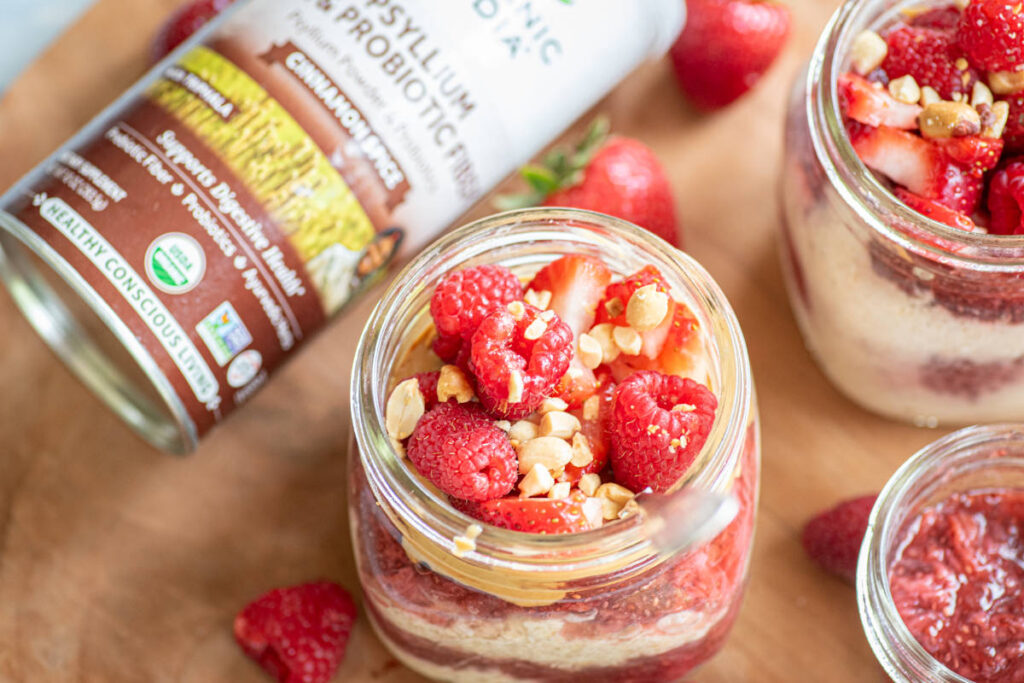
When you look at prebiotics vs probiotics you find that they are both equally important and work best together. Given the returns on the investment in a happy gut microbiome, including improved digestion and elimination, a strong immune system, a defense against food allergies, and clear skin, it seems like little effort goes a long way. To a happy gut!
Learn more about cooking with Heat Tolerant Probiotics for Baking and Cooking, Organic India.
Learn more about cooking with Heat-tolerant Probiotics for Baking and Cooking – Organic India (organicindiausa.com).