 Immunity
 Digestion
 Sleep & Mood
 Mental Clarity
 Joints & Mobility
 Women
Women Men
Men




Section
- SHOP

- LEARN
- ABOUT US
- SUSTAINABILITY



Join our network for mutual growth
Back
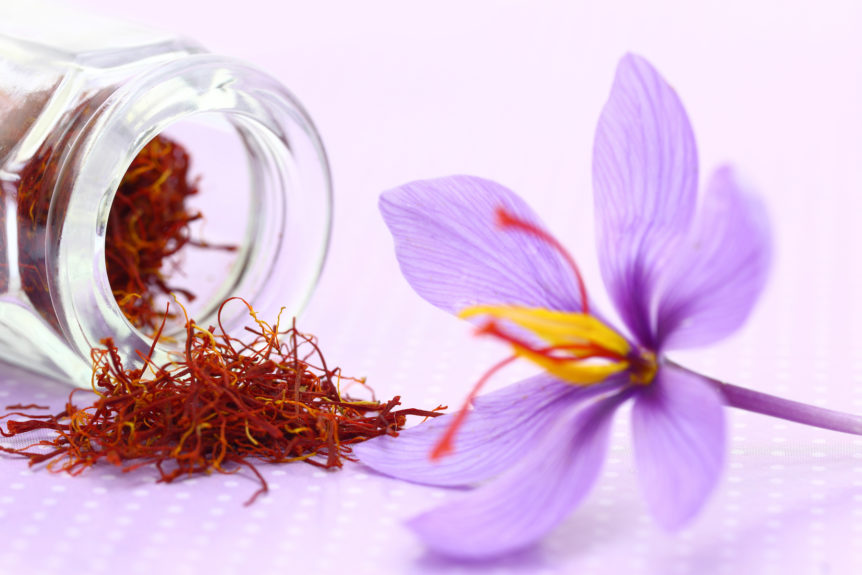
Familiar to cooks and chefs around the world, saffron is best known for its striking color, distinctive flavor, and famously premium cost. It brings warmth and elegance to dishes like paella, saffron rice, broths, breads, cakes, marinades, and soothing drinks such as saffron tea with ginger and honey. Even in small amounts, it transforms food into something ceremonial and memorable.
Yet saffron’s value goes far beyond culinary appeal. For thousands of years, saffron has held an important place in traditional wellness systems, religious rituals, and cultural symbolism. Its deep golden hue and intoxicating aroma signaled nourishment, vitality, and care, earning it recognition as a spice reserved for special occasions and intentional use. In Ayurvedic tradition, saffron is considered one of the few plants capable of supporting balance across all three doshas, reflecting its reputation as a whole‑body, whole‑experience ingredient rather than a single‑purpose herb.
Together, saffron’s uses, history, and benefits reveal why it remains one of the most revered and enduring spices in the world.
Key Benefits of Saffron
The benefits of saffron are best understood through its long history of culinary, cultural, and traditional use. Rather than acting as a stimulant or quick fix, saffron has been valued for subtle yet meaningful contributions to nourishment, balance, and sensory experience.
Benefit: Naturally Occurring Antioxidant Compounds
Saffron’s vivid golden color comes from carotenoid compounds, most notably crocin. Across nutritional traditions, richly colored plant foods have been associated with protective and nourishing qualities, often signaling the presence of compounds that support overall resilience when consumed regularly as part of a varied diet. Saffron’s deep pigmentation is one reason it has been historically prized not just for appearance, but for what that color represents in the context of food-as-nourishment. Modern scientific interest has focused on these pigments for their antioxidant activity, reinforcing what traditional food wisdom has long suggested.
Benefit: Emotional and Mental Nourishment
Throughout history, saffron has been associated with mood, clarity, and emotional steadiness. Ancient cultures linked its aroma and color with upliftment and heightened sensory awareness, sometimes reserving it for ritual or ceremonial use. In Ayurveda and other traditional systems, saffron is described as gently warming and supportive rather than stimulating, qualities that align with its long‑standing relationship to emotional balance. Its use in drinks, desserts, and infusions highlights how closely saffron is tied to comfort, pleasure, and emotional nourishment.
Benefit: Tridoshic Balance in Ayurveda
Saffron is considered tridoshic in Ayurvedic practice, meaning it may support balance across Vata, Pitta, and Kapha when used appropriately. This is relatively rare among herbs and spices and contributes to saffron’s reputation as broadly supportive rather than condition‑specific. Traditionally, saffron has been characterized as warming, light, and subtly rejuvenating, making it suitable for many constitutions when used in modest amounts. Its inclusion in traditional formulations reflects a belief in its ability to harmonize rather than push the body in one direction.
Benefit: Sensory Enhancement and Digestive Enjoyment
One of saffron’s most consistent benefits is its ability to elevate the sensory experience of food. A few threads add aroma, color, and depth, encouraging slower eating and greater appreciation. Across traditional cultures, foods that engage the senses were believed to support enjoyment, satisfaction, and mindful consumption. Saffron’s ability to enhance food without overwhelming it has made it a preferred spice in both everyday meals and celebratory dishes.
Benefit: Cultural, Ritual, and Symbolic Significance
Saffron has long symbolized vitality, fertility, prosperity, and reverence. Ancient Egyptians used it in embalming rituals, while Greek, Phoenician, and Mediterranean cultures wove saffron into religious ceremonies, sacred garments, and offerings. Its repeated appearance in sacred texts and mythological stories underscores its importance beyond nutrition alone. These symbolic benefits reinforced saffron’s status as a spice used intentionally, respectfully, and sparingly.
Culinary Uses of Saffron That Highlight Its Benefits
Saffron is used across a wide range of cuisines, including Mediterranean, Middle Eastern, Persian, and South Asian cooking. It appears most often in rice dishes, broths, stews, breads, cakes, marinades, and beverages, where heat and moisture allow its color and aroma to bloom fully.
Unlike spices used for sharpness or heat, saffron’s flavor is subtle and complex, described as floral, slightly honeyed, and earthy. Because only a small amount is needed, saffron encourages restraint and care in cooking, qualities traditionally associated with nourishment and balance. This mindful approach to use is part of what links saffron’s culinary role so closely to its perceived benefits.
Why Saffron Is the World’s Most Valuable Spice
Saffron’s high cost reflects extraordinary human effort rather than rarity alone. The spice is derived only from the delicate red stigmas of the Crocus sativus flower, each bloom producing just a few usable threads. These stigmas must be harvested by hand during a short seasonal window, typically early in the morning when aromatic compounds are most intact.
It takes tens of thousands of flowers and hundreds of thousands of hand‑picked stigmas to produce a single pound of saffron. After harvesting, the stigmas are carefully cured to develop flavor, aroma, and color. This labor‑intensive process explains why saffron has long been associated with luxury, reverence, and intentional use.
Where Saffron Comes From and Why Origin Matters
Today, Iran produces the majority of the world’s saffron, supplying far more than other producing regions such as Greece, Afghanistan, Morocco, and India. Climate, soil composition, cultivation practices, and harvesting expertise all influence saffron’s aroma, color intensity, and overall quality.
Because saffron is so easily adulterated when ground, whole threads are traditionally preferred. Origin and provenance remain important indicators of quality, reinforcing saffron’s connection to place, tradition, and careful stewardship.
Saffron’s Role in Traditional Wellness Practices
Historically, saffron appeared in traditional preparations associated with respiratory comfort, emotional steadiness, menstrual cycles, and overall nourishment. From Ayurvedic formulations to European herbal traditions, saffron was valued as a food‑based ally rather than a concentrated remedy.
From the 1500s through the 1800s, saffron even appeared in pain‑relief preparations, reflecting its long reputation as a comforting and supportive plant. These uses emerged long before modern health frameworks and were rooted in observation, experience, and cultural transmission.
Modern Interest in the Health Properties of Saffron
Contemporary research has renewed attention on saffron’s naturally occurring compounds, particularly crocin and related carotenoids. Studies have explored saffron in relation to mood, eye health, inflammation response, and cardiovascular markers, often drawing inspiration from its long history of traditional use.
Importantly, this modern interest continues to view saffron as a food and traditional herb rather than a pharmaceutical intervention. Its longstanding role as a low‑dose, culinary ingredient remains central to how its benefits are understood and applied.
A Golden Perspective on Saffron Today
Saffron stands as a reminder that value is not always about quantity. Its benefits emerge through patience, care, and respect for natural processes, from cultivation to consumption. Whether used to elevate a meal, honor a tradition, or simply bring beauty to the table, saffron reflects an approach to nourishment that is slow, intentional, and deeply human.