 Immunity
 Digestion
 Sleep & Mood
 Mental Clarity
 Joints & Mobility
 Women
Women Men
Men




Section
- SHOP

- LEARN
- ABOUT US
- SUSTAINABILITY







Join our network for mutual growth
Back
What is Grounding? Easy Practices to Bring Calm to Your Day
01/22/2026 | Written by Kate Tant
Live Vibrantly

Ping. Ping. Another notification buzzes on your phone, pulling your attention away from work. Your heart beats faster when you see that it’s your boss, asking if you have that report ready. Before you can answer, another message comes through, and then another.
It’s easy to feel overwhelmed and scattered these days—our lives move so fast. And while our minds rush ahead, our bodies are collateral damage, trying to keep up with the ever-changing landscape. When you feel untethered, grounding offers a gentle way back home.
What is grounding? Grounding is a simple, ancient practice that reconnects you to the life-giving energy of the Earth, bringing your spirit back into balance. It helps you steady your emotions, calm a busy mind, and create a sense of presence in your surroundings. In Ayurveda, prana is the Sanskrit term for life energy or vital energy. Connecting with nature, also known as grounding or earthing, is one way to help you tune into Prana.
If you’ve been feeling scattered and unsettled, you might consider starting a grounding practice. In this article, we’ll talk about what grounding is, why it matters, different types of practices, and how to feel grounded, even if you can’t go outside.

So, What is Grounding, Exactly?
Grounding is the practice of intentionally reconnecting with the Earth through direct touch. When you walk barefoot through the grass, swim in the ocean, or simply lay your palm on the trunk of a tree, you’re grounding. This type of grounding is also called Earthing, which we’ll go into in more detail later. The Earth has a natural negative electrical charge, and when you connect directly to it, it helps you absorb those electrons and balance your body’s electrical charge.
Another type of grounding is called mental grounding. Mental grounding is when you use sensory techniques to anchor yourself in the present moment. This type of grounding helps when you feel overwhelmed by shifting your focus away from runaway negative thoughts and back into the physical world.
Grounding in Ayurveda
In Ayurveda, grounding often means calming excess Vata, the dosha made of air and space. When Vata is high, you may feel anxious, unfocused, and restless. Many practices can help pull you back with warmth, rhythm, and connection.
Why Grounding Matters Today
Modern life is full of Vata-aggravating experiences:
- Ingesting excess stimulants like caffeine
- Having irregular routines and eating habits
- Overstimulation from too much screen time
- Emotional stress from fast-paced responsibilities
- Lack of self-care
- Indoor lifestyles that are removed from nature
With so much negative energy, it’s no wonder our bodies and minds crave this sensation. Even a few minutes a day can create a noticeable difference—a shift toward calm and clarity.
Benefits of Grounding
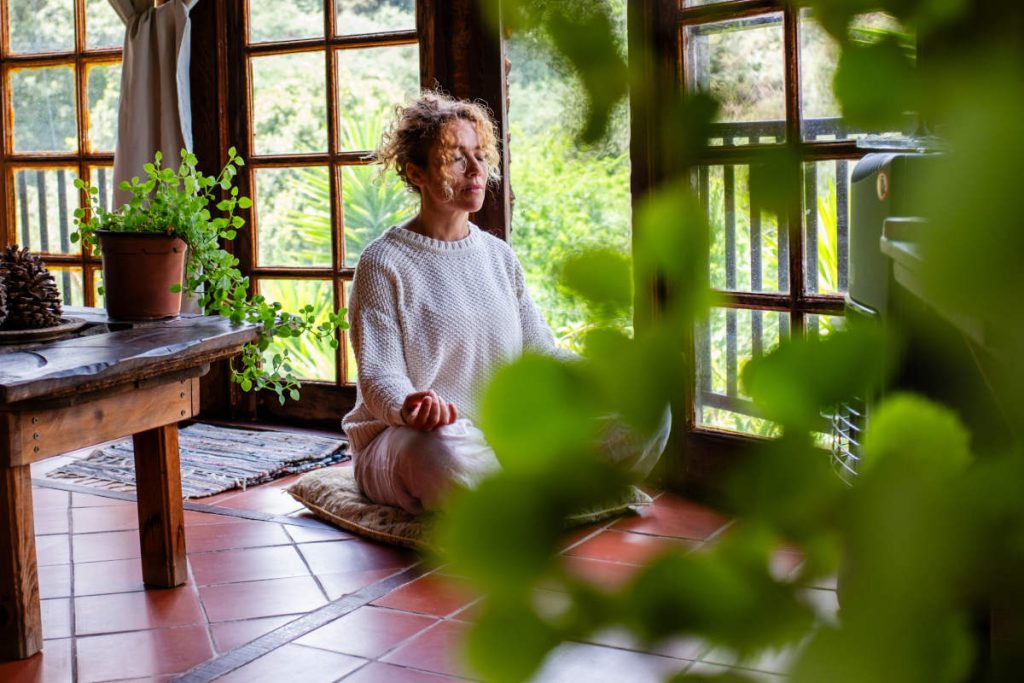
Grounding has many benefits, both physical, emotional, and mental. Studies show that grounding supports overall wellness in a variety of ways. Let’s explore how grounding helps you.
Supports nervous system regulation
Grounding can gently shift the body from “fight or flight” into a calmer, more regulated state. Spending time in nature activates the parasympathetic nervous system, the “rest and digest” part of your autonomic nervous system.
Improves emotional balance
Along with calming the nervous system, it can reduce the effects of stress on the body. Spending time directly connected to the Earth helps melt tension away and improve moods.
Helps with focus and clarity
A grounded mind is a calm mind. With fewer racing thoughts, it’s easier to focus, think clearly, and make better decisions.
Enhances sleep quality
Grounding helps regulate the body’s circadian rhythm, aligning your internal clock with the Earth’s natural cycle of light and dark. Being in sync with the sunrise and sunset leads to enhanced sleep quality.
Deepens mind-body connection
Grounding helps you become more in tune with your body’s signals, which can encourage more mindful choices. It also supports energy levels and reduces feelings of tiredness.
Types of Grounding Practices
Grounding doesn’t have to be complicated. In fact, it’s one of the simplest wellness practices and brings the greatest sense of calm. Most grounding methods involve simply touching the Earth in some intentional way. Let’s talk about the main forms of grounding: physical, sensory, and mental, and how to practice each one.
Physical Grounding: 5 Ways to Ground Yourself
Physical grounding is done by connecting your body with the Earth. This type of grounding is especially important and calming. But how do you know if you’re grounded? Practice grounding with these techniques to ensure you’re getting the proper connection to the Earth.
1. Walk Barefoot
Grass, soil, sand, and even natural stone can connect you directly to the supporting energy of the Earth. Walking barefoot helps you feel that connection instantly.
2. Lie on the Ground
Place a blanket made with natural fibers on the earth or lie down on the soft grass. As you relax, let the weight of your body sink into the ground and feel the tension slowly melting away.
3. Submerge in Water
Water is highly conductive, especially salt water. Whether you’re swimming in a lake, wading in a cool mountain stream, or surrendering to the gentle ocean waves, water offers a cool, calming energy that immediately grounds you.
4. Touching Grass or Trees
You may have heard the phrase “Go touch grass,” and it may just be the best advice ever given. When you run your hands through the grass or lean against a tree, you are grounding yourself. These small moments of connection bring your body into harmony with the nature around you.
5. Using Indoor Grounding Mats
If you spend most of your time indoors and find it difficult to get outside, grounding mats can offer a similar benefit. These mats connect to the earth through an electrical outlet’s grounding port or through a grounding stake placed in the ground outside. Grounding mats bring the grounding energy indoors to you.

Sensory Grounding to Calm the Mind
Sensory grounding helps calm racing thoughts by taking your attention away from your mind and toward your senses. It’s a gentle coping strategy that brings you back to the present moment, similar to breathing and meditation practices.
5-4-3-2-1 Grounding Technique
This technique involves describing your environment while guiding you through your senses step by step. Look around your space and describe colors, shapes, sounds, and textures to invite mindfulness and presence.
- Name 5 things you see.
- Name 4 things you feel.
- Name 3 things you hear.
- Name 2 things you smell.
- Name 1 thing you taste.
The 5-4-3-2-1 Grounding Technique helps you focus on the physical sensations in your body, and is incredibly helpful and effective during moments of stress or overwhelm.
3-3-3 Method
The 3-3-3 method is a quick calming technique if you want to refocus your mind quickly.
- Name 3 things you see.
- Name 3 things you hear.
- Name 3 things you feel.
This method interrupts spiraling thoughts and encourages you to calm and steady your mind.
Drinking Tea Slowly (Tea Ritual)
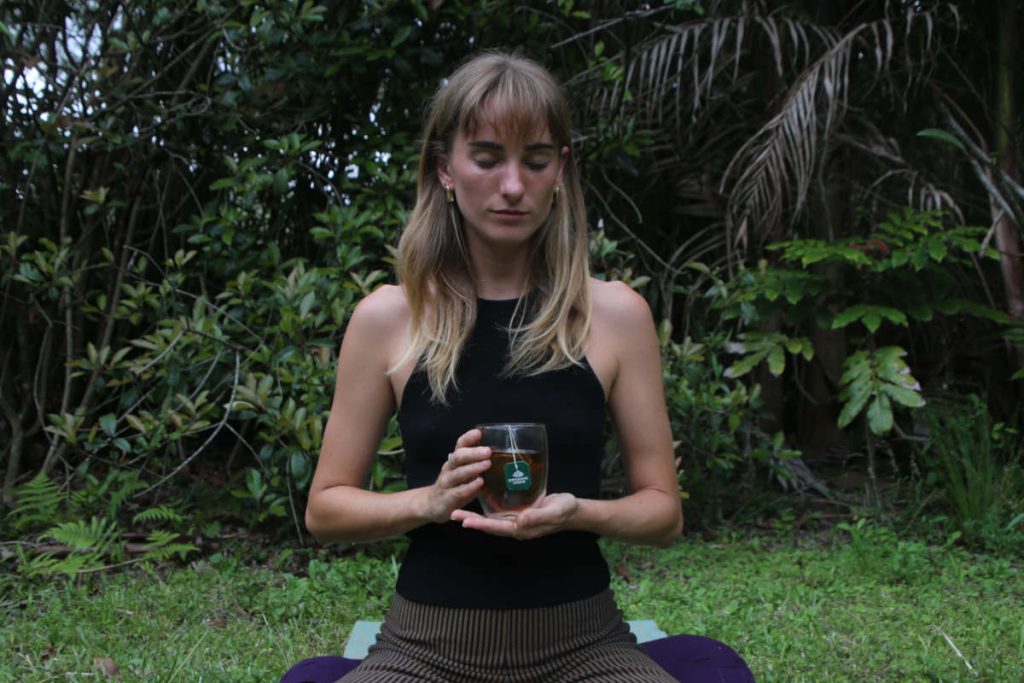
Savoring a warm cup of tea, especially Tulsi tea, can be a balancing ritual in itself. As you sit quietly, notice the warmth of the cup in your hands, breathe in the fragrance of the tea, and take slow, mindful sips while feeling gratitude for the good things in your life.
Touching Textures
For those who need something tactile to ground themselves, touching textures can help. Run your fingers over a soft, cozy blanket, feel the heft of a smooth stone, wrap your hands around a warm mug, or feel the soft grain on a wooden surface. These small sensory anchors help calm the mind and relax the body.

Mental Grounding to Manage Emotions
Mental grounding involves using sensory focus to manage emotions and stay present. It helps you gently guide your mind back to the present moment, especially when emotions run high.
Calm, Steady Breathing
Focusing your attention on your breath helps balance the nervous system and calm your mind. Try taking deep belly breaths, letting your belly rise as you slowly inhale through your nose, and fall as you exhale through your mouth. Repeat several times until you feel relaxed.
Counting Backwards
As you focus on your breath, choose a number from which to count backward. You can start with 100 and count down by three, or start lower at 20 or even 10. The point is to focus on the numbers so you can center yourself in the present moment.
Gentle Affirmations
Sit in a comfortable position and close your eyes or relax your gaze. Repeat reassuring phrases like, “I am safe, I am strong,” or “This feeling is passing now.”
Orient to Your Space
Wherever you are when your mind starts to spiral, you can stop, take a deep breath, and focus on your surroundings. Notice objects and details around you and verbally list them. This helps settle your mind and reestablish a sense of safety.

Grounding Herbs: Support from the Inside Out
Just as these practices support us from the outside, certain plants and herbs can support from the inside out. Ayurveda offers many traditional herbs that restore balance, calm the mind, and nourish the nervous system.
The following herbs have been cherished for centuries for their supportive qualities:
Ashwagandha
A top grounding adaptogen that supports restful sleep and balanced energy. Ashwagandha nourishes the nervous system and promotes a healthy stress response. Ashwagandha can be enjoyed in a variety of ways, from capsules or gummies to teas and infusions.
Tulsi (Holy Basil)
A sacred herb known for its calming qualities, Tulsi is an adaptogen that uplifts moods and inspires inner peace. Tulsi supports overall wellness and boosts vitality. Indulge in the warmth and fragrance of a cup of Tulsi tea for a beautiful grounding ritual.
Bacopa
Traditionally used to support the mind, Bacopa supports healthy memory and cognitive function. It helps anchor the mind when thoughts become scattered.
Shatavari
In traditional Indian herbalism, Shatavari is a nourishing herb that supports the female system and balances hormones. Shatavari is an adaptogen that can relieve physical and energetic stress.
Triphala
A sacred blend of three herbs that support digestion and elimination, Triphala helps the body flush excess waste and toxins for a natural internal cleansing that feels centered and grounded.

Grounding vs Earthing
Though often used interchangeably, grounding and earthing are slightly different.
Grounding
A broad term that encompasses any practice that brings your mind and body together into the present moment. Grounding can include sensory, mental, and physical practices—many of which you can do indoors.
Earthing
Earthing specifically means direct contact between you and the Earth’s surface, such as through grass, soil, sand, stone, or natural water to absorb the Earth’s natural electrons and bathe in its healing frequency.
Both practices are simple, supportive, and when practiced consistently, deeply nourishing to the body, mind, and soul.
Grounding FAQ
What is grounding for the body?
Grounding for the body involves physical practices that steady the nervous system and encourage presence, such as walking barefoot or lying on the earth, or placing your hands on natural surfaces like rocks and trees.
How long should you ground each day?
You can start with as little as one to ten minutes per day—the effect is often instant. Even a short connection to the earth or a moment of conscious relaxation can bring a noticeable positive change to your day.
What are the negative effects?
Most people feel better, but some may notice an emotional release, tiredness, or a brief “off” feeling as their body adjusts to the change in energy. The feeling is normal and temporary.
How do you practice grounding?
Try simple practices such as walking barefoot, lying in the grass, practicing steady breathing techniques, or creating a calming tea ritual.
Does walking barefoot count as grounding?
Yes, if on natural surfaces like dirt, grass, sand, stone, or water. You can also ground to the earth through concrete if walking barefoot, but not through asphalt because the tar content acts as an insulator, not a conductor of the Earth’s natural electrons.
Why do I feel weird after grounding?
If you feel weird after grounding, your body is likely sensitive to changes in the electrical field around you. An electrosensitive person can feel the shift in energy from artificial indoor environments (LED lights, synthetic materials, electromagnetic fields) to the natural, healing frequency of the Earth. This contrast can feel intense for some people at first, and is usually a sign that your system is recalibrating. Consistent grounding practices help alleviate the feeling.

A Gentle Invitation to Ground Yourself
Grounding is a simple practice, but its impact on your overall wellness and sense of happiness can be profound. Even a few minutes spent connecting with the Earth, slowing your breath, or savoring a warm cup of tea can help restore balance to your day.
If you’d like to support your grounding routine from the inside out, explore the array of Ayurvedic grounding herbs, especially Tulsi and Ashwagandha, through ORGANIC INDIA, as part of a gentle, daily grounding ritual.
Our herbs are grown through regenerative farming practices that naturally support the soil, the plants, and the farmers who tend to them by hand. Every plant and herb is cared for with reverence and a connection to the Earth.
Craving more ways to find inner peace? Check out Home Pranayama Meditation: Breathing for Stress Relief, Tea Meditation: A Sacred Sequence to Try and Understanding Burnout: Stages, Signs, and Solutions.
About the Author: Kate Tant
 Kate Tant is a professional health and wellness writer with a strong passion for holistic wellness. Her writing covers topics from Ayurvedic herbs and practices to nontoxic living and intermittent fasting. She is dedicated to helping and encouraging individuals seeking natural solutions to their health. Learn more about Kate at katetant.com.